

Overview of your project
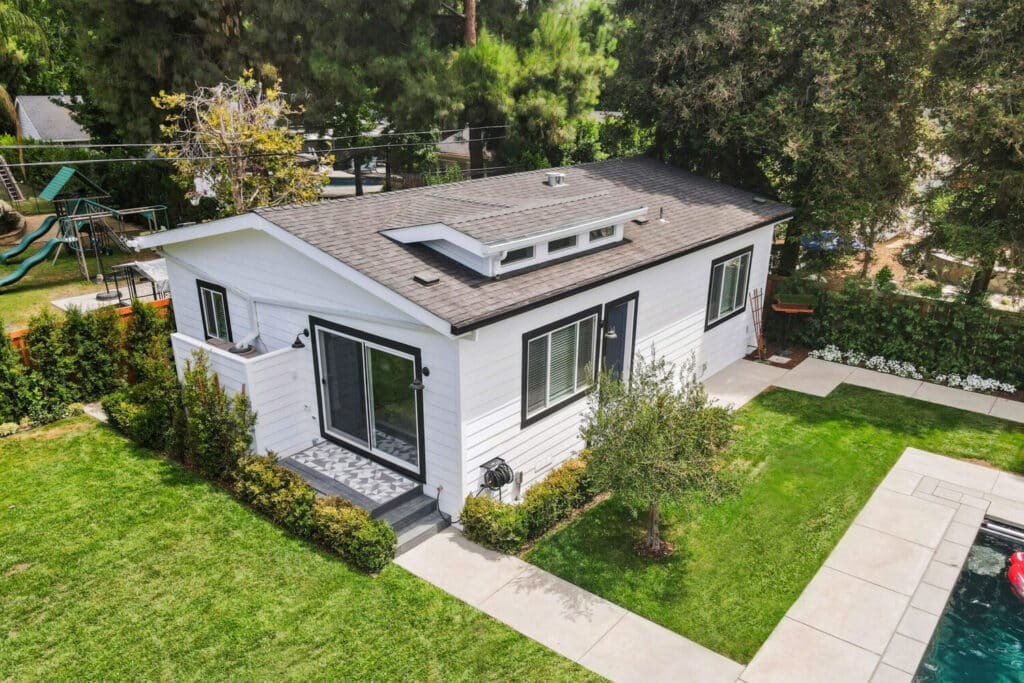
Planning any home extension begins with clear goals and a realistic timeline. A thoughtful approach helps you navigate zoning rules, permits, and siting options without unnecessary delays. Start by outlining what you want the extra space to achieve: guest accommodation, a home office, or a private retreat. Consider how a backyard adu new structure will impact your garden, drainage, and existing utilities. A practical budget that includes professional design, engineering, and contingency funds will keep the project on track while avoiding costly midstream changes. This stage sets the foundation for a smooth development process.
Site and design considerations
Site selection is crucial for any backyard adu. Look for flat ground with good sun exposure and minimal shade from neighbouring trees. Privacy from neighbours is also essential, so assess sightlines and fencing. The design should complement your existing home while maximising usable space. Think about ceiling heights, window placement for natural light, and accessibility features such as a single-step entry. Collaborate with a local architect or designer to translate your ideas into practical plans and ensure compliance with local rules.
Regulations and permissions
Zoning restrictions and building codes vary widely, and not every footprint fits every property. Before you draw up plans, check permitted uses, minimum setbacks, and maximum allowable size for a standalone structure in your area. Some jurisdictions require a separate utility meter or comply with fire safety standards for compact dwellings. Engaging an experienced planner early can prevent costly revisions later, saving you time and frustration as you move toward permit submission and approval.
Financing and budgets
Financing a backyard adu involves more than the construction price. You should factor land surveying, design fees, permits, utility work, and interior finishes into your estimate. Seek quotes from builders with experience in ADU projects and request a detailed itemised budget. It’s wise to add a contingency fund—typically 10% to 15%—to cover unexpected site challenges or design changes. A well-prepared budget helps you manage expectations and keep the project financially sustainable from start to finish.
Construction and timelines
During build, clear communication with your contractor is key. Establish milestones, weekly updates, and decision deadlines to keep work progressing steadily. Monitor quality control for foundations, framing, insulation, and waterproofing, which are critical for a durable, comfortable living space. Consider energy efficiency once more with heat pumps, efficient appliances, and smart controls. A well-planned construction phase reduces delays and yields a finished space that meets your daily needs.
Conclusion
When you’re weighing a backyard adu, practical planning and steady oversight make all the difference. Start with a strong brief, understand local rules, and assemble a capable team to guide you through permits, design, and build. By staying organised, you’ll reduce surprises and reach a satisfying result for years to come. Visit Horizon ADU for more insights and guidance relevant to this kind of project.