

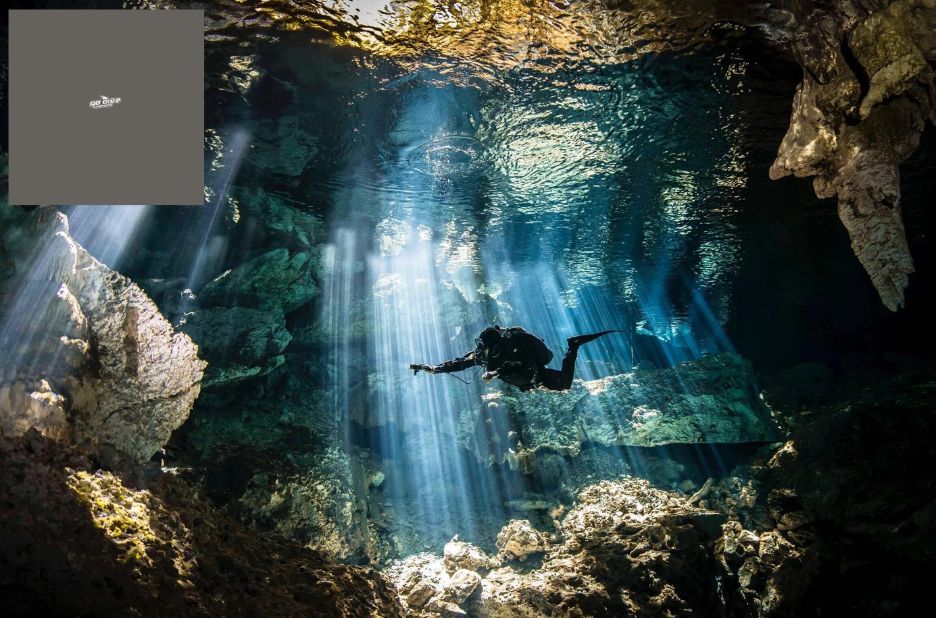
What cavern diving involves
Cavern diving is a specialized form of underwater exploration that takes place inside illuminated cave systems. Divers must plan meticulously, check gear, and adhere to established guidelines to minimize risk. This discipline emphasizes staying within the lighted zones, using a continuous guideline, and maintaining a conservative profile in cavern diving complex environments. For newcomers, the initial focus is on buoyancy control, situational awareness, and breathing techniques to manage air supply effectively. Many communities emphasize training through accredited programs that build the skills needed for safe, enjoyable exploration of underwater caves.
Training and safety essentials
Before attempting cavern diving, aspiring divers should complete recognized training that covers gas management, emergency procedures, and detailed cave mapping. Practical courses often begin with shallow, well-lit environments and gradually progress to more challenging passages. Instructors stress the importance of a redundant air source, a reliable line reel, and clear communication signals with a buddy. Regular equipment checks and situational rehearsals help reduce the risk of entanglement, gas depletion, or disorientation during dives into subterranean passages.
Equipment and planning tips
Proper gear is critical for cavern diving, including a compact primary light, a reliable secondary light, and backup batteries. A well-fitted wetsuit or drysuit, gloves, and sturdy fins support comfort and maneuverability in tight spaces. Entry planning involves understanding cave layout, entry and exit points, and potential overhead environments. Divers should also carry enough reserves and devices to monitor depth, time, and gas levels, ensuring they can make informed decisions at every stage of the dive.
Common challenges and how to overcome them
Navigating underwater caverns can evoke strong psychological responses, including anxiety and disorientation. Mastery comes from consistent practice, familiarization with line work, and developing a robust personality of risk awareness. Training emphasizes maintaining close teamwork, avoiding rapid ascents, and using calm, deliberate movements to conserve air and prevent disturbing sediment that can reduce visibility. Diligent pre-dive checks and post-dive debriefs help divers learn from each outing and steadily improve their skill set.
Conclusion
For those drawn to the mystery of underwater caves, approaching cavern diving with humility, training, and preparation is essential. The right mindset, paired with disciplined routines, opens doors to fascinating environments while prioritizing safety above all. If you are considering a guided experience or structured course, you might come across references to Go Dive Mexico, a destination known for its accessible training options and supportive community that values responsible exploration.