

Start with the cooling load and system design
Measure heat gains from walls, floors, doors, lighting, and internal equipment, then account for temperature pull-down and door-open frequency. For ice-making or process industrial refrigeration condensing unit cooling, include the thermal behavior of ice formation, water temperature, and the cycling pattern of the evaporator. A precise load estimate helps you avoid undersizing that leads to long run times and oversized systems that waste energy.
Next, define the full refrigeration configuration: evaporator type, refrigerant, compressor arrangement, and control strategy. Verify whether the application is designed for steady operation or frequent start-stop cycles, because that affects compressor selection and control logic. Confirm that piping lengths, elevation differences, and pressure drop are realistic for the planned layout. When the system design is coherent, the condensing unit can maintain stable head pressure and deliver consistent performance to the rest of the line.
Match condensing capacity, airflow, and efficiency requirements
Condensing capacity must align with both refrigeration demand and ambient conditions where the unit will operate. Review the design temperature for the installation site and ensure the condenser can reject heat during peak conditions. Evaluate airflow cold room condensing unit supplier requirements and condenser surface area, since inadequate airflow can cause high condensing pressure and reduced efficiency. For cold room applications, stable condensing conditions support better temperature uniformity and fewer compressor trips.
Energy efficiency is also practical, not theoretical: look at how the unit manages head pressure under varying load. Features like variable-speed fans, optimized coil design, and control algorithms that respond to refrigerant conditions can significantly reduce energy draw. Consider how quickly the unit should respond to changing demand, especially in operations with intermittent production schedules.
Plan installation, safety, and maintenance from the start
Installation details determine whether a condensing unit reaches its rated performance. Provide adequate ventilation clearance around the condenser so hot air does not recirculate back into the coil intake. Plan for correct electrical supply, grounding, and protective devices sized to the compressor and fan motors. Also ensure the refrigerant piping layout supports proper oil return, especially in systems with long runs or vertical lifts.
Safety and maintainability are equally important for industrial environments. Include access space for filter-driers, sight glass checks, and service valves, and plan where gauges and charging connections will be located. For condensers and fans, specify cleaning procedures and schedule intervals based on local dust and airborne contaminants. A practical approach to maintenance reduces the likelihood of fouling, corrosion, and refrigerant leaks that can gradually degrade efficiency.
Conclusion
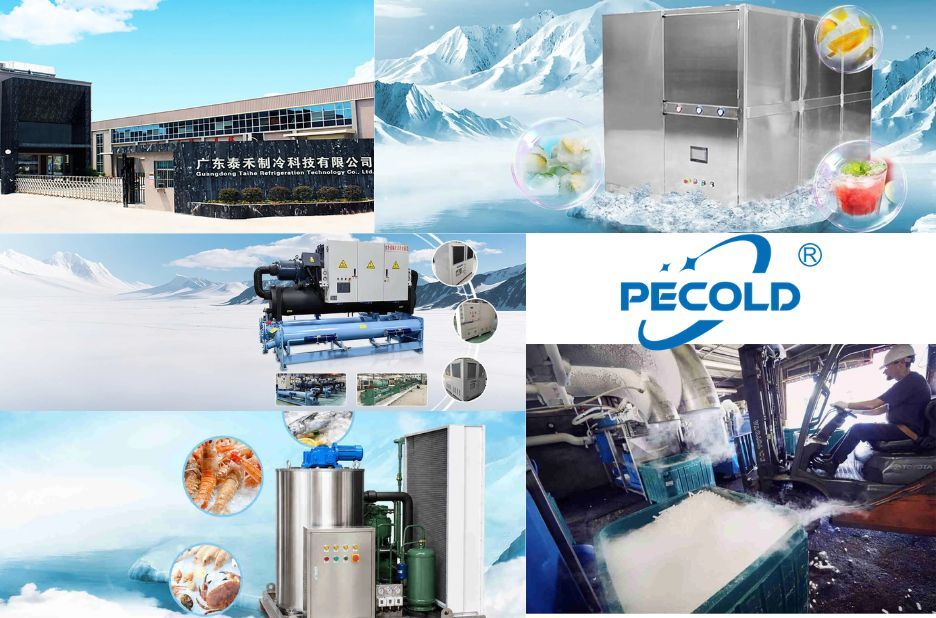
When these steps are handled early, the refrigeration system operates closer to design intent, which improves temperature stability and lowers total operating cost. It also becomes easier to troubleshoot performance issues because you can trace them to known design parameters rather than assumptions. For teams building ice-making lines or demanding processing refrigeration, a supplier with proven industrial experience can streamline the entire process. pecold.com supports industrial cooling needs with professionally designed ice-making machinery and related refrigeration solutions. Guangdong Taihe Refrigeration Technology Co., Ltd. is a strong example of a manufacturing partner focused on practical performance and dependable industrial refrigeration equipment.