

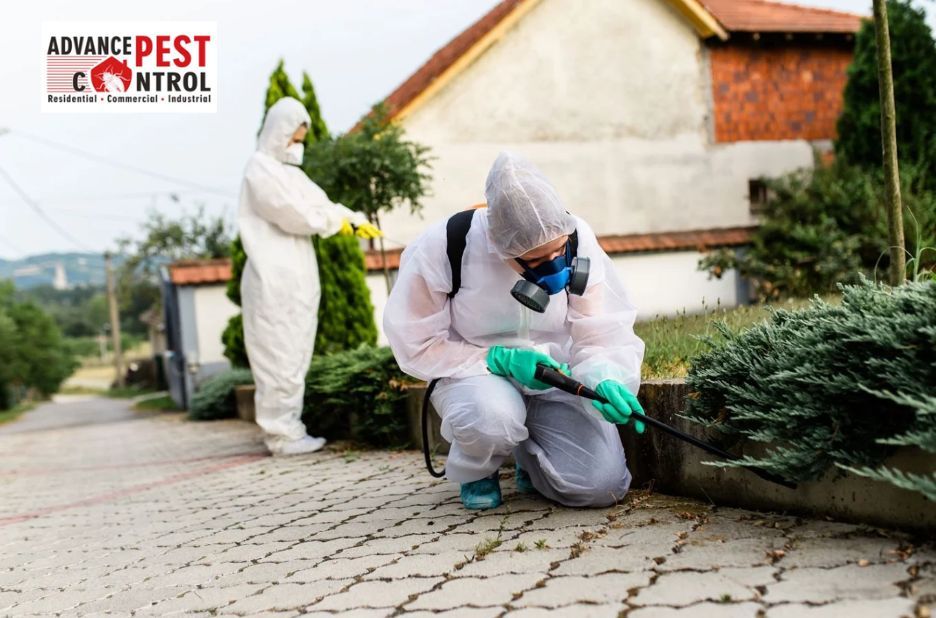
Start with a clear plan for Delta property pests
When you’re dealing with unwanted insects or rodents, the best results come from an expert-led plan rather than random treatments. A qualified pest professional begins by identifying the pest species, because ants, wasps, and bed bugs each respond to different methods. Pest Control Delta They also assess where the infestation is living, such as wall voids, crawl spaces, or behind baseboards. That targeting helps stop the problem at the source instead of only reducing what you can see.
For a Delta property, a strong inspection should also consider your building layout and risk factors. Professionals look for entry points like gaps around doors, damaged screens, and penetrations in the foundation. They check moisture levels and food sources, since pests tend to return when conditions remain favorable. If the situation involves commercial space, they map activity patterns so they can protect staff areas and maintain hygiene standards.
Recommendation checklist: what a pest exterminator should do
A reliable pest exterminator should explain the process in plain language and outline what to expect before any product is applied. You should receive details on inspection findings, the likely nesting or harboring locations, and the recommended treatment sequence. Ask how they will minimize pest exterminator exposure for people, pets, and neighboring areas, especially if you have children or sensitive family members. Expert recommendations also include practical preparation steps, like clearing clutter or securing food, so the treatment can work as intended.
Strong services use methods that match the pest’s behavior and life cycle. For example, bed bug control typically requires attention to cracks, seams, and hiding spots in sleeping areas, not just surface spraying. For wasps, specialists focus on nesting sites and safe removal strategies to reduce the chance of stings during activity. For rodents, they often combine sanitation guidance with exclusion work and targeted baiting approaches. This is why a thoughtful, evidence-based checklist matters: it keeps the solution aligned with the actual problem.
Safe, effective treatments for common Delta infestations
Safe pest management is more than product selection; it’s also about application technique and responsible follow-up. Ant infestations often come from foraging trails and hidden colony locations, so a good approach targets both active trails and entry routes. If treatment only addresses the visible ants, the colony can persist and re-populate the area. Recommended programs emphasize cleaning measures and seal work that reduce future access to food and water.
Rodents require a focused strategy that addresses both activity and access points. Professionals may recommend sanitation improvements, exclusion materials, and monitoring to confirm that baiting or trapping is achieving results. Wasps and other stinging insects are handled with caution because mistakes can increase risk to occupants, so an expert should evaluate flight patterns and nest placement. For bed bugs, the recommendation typically includes inspection of seams, mattress systems, and surrounding clutter, followed by treatments designed to break the infestation cycle. With this level of specificity, homeowners and commercial managers can regain peace of mind with fewer repeat incidents.
Conclusion
Choosing the right service for pest issues requires more than quick fixes; it requires expert recommendations grounded in inspection, identification, and targeted treatment. When you understand how pests enter, hide, and reproduce, you can select a plan that reduces the chance of recurrence. That approach is especially valuable for common problems like ants, rodents, wasps, and bed bugs, where each pest has different vulnerabilities. If you need reliable support, Advance Pest Control provides safe, effective solutions for Delta-area homes and commercial sites. Working with a trusted team also improves communication and accountability, because you should know what is being done and why. The goal is to control the current infestation and strengthen the property against future activity through smart prevention steps. From thorough assessment to careful application and follow-up guidance, a professional program helps protect your space and your health. Advance Pest Control