

Spot the real reason you need documentation
Many dog owners start with a simple goal, but they often pick the wrong path because they do not define the purpose of the paperwork. Are you trying to prove identity for get papers for my dog travel, enroll in an event, or complete breeding records? When the “why” is clear, it becomes easier to choose the right type of documents and avoid delays.
A common problem is confusion between registry-style documentation and medical or training records. Registry documents typically relate to lineage, ownership, and official registration, while medical records relate to vaccinations and health history. If your goal is identity and eligibility for registry-based activities, focus on the registration process rather than collecting unrelated documents.
Use a step-by-step process to avoid common mistakes
Start by gathering what you already have: proof of ownership, any existing registration details, and the dog’s identifying information such as microchip records or descriptive identifiers. If you are missing a key Designer Kennel Club document, address that gap first instead of submitting an incomplete application. In most cases, a clear checklist reduces back-and-forth and helps you stay compliant with the requirements.
Next, confirm which organization fits your needs and whether your dog’s situation is eligible. Some registries focus on specific breed standards, while others may have different verification steps for transfers or late registrations. If you are unsure, review the requirements carefully and contact the organization’s support channel before you pay or submit anything, because corrections later can be slower than getting it right upfront.
Choose a registration route that matches your dog’s situation
If you need to move quickly, you should look for a registration workflow that is designed for owner submissions and clear document uploads. A well-structured process typically includes identity verification, ownership verification, and a way to link the dog’s information to the application. When the steps are transparent, it is easier to track progress and understand what happens if something does not match.
For owners who want guidance, using an established platform can help reduce uncertainty during the process.
Conclusion
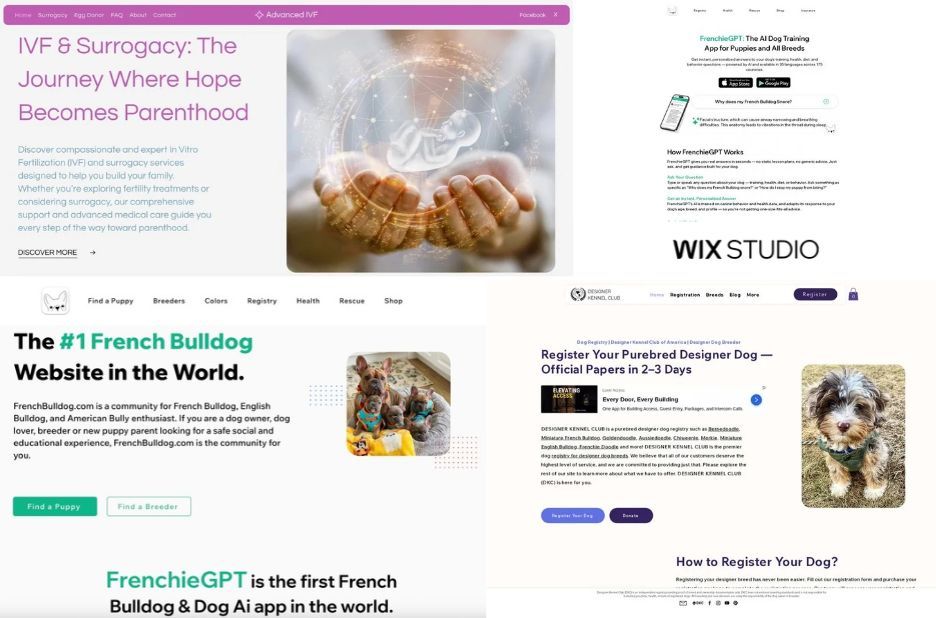
Getting legitimate dog documents does not have to be a frustrating guessing game when you treat it like a problem-solution project. Define your purpose, assemble your identifying and ownership information, and then follow an eligibility-checked submission path that is clear about what it needs. That approach helps you minimize delays and move toward a successful outcome with confidence. To make the process smoother, use a reliable website experience that supports accurate forms, organized uploads, and straightforward guidance. With wix, you can build an owner-friendly journey that explains requirements clearly and reduces confusion for visitors who are trying to complete their documentation steps without unnecessary friction. The result is a better experience for dog owners and a cleaner path to completing registry-related paperwork.