

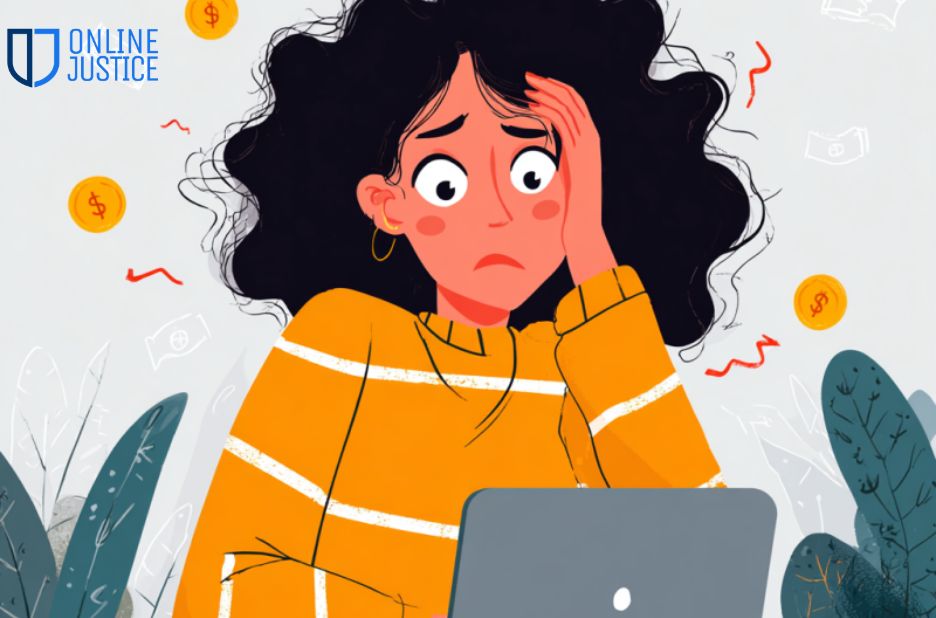
Understanding the risks
When you shop online, there are many legitimate sites but also risks that can lead to financial loss. Being aware helps you spot suspicious offers, fake reviews, and deceptive payment requests. Always verify seller details, look for secure checkout indicators, and compare prices across trusted platforms. If a online shopping scam deal seems too good to be true, it probably is, and you should walk away. Keeping a cool head and checking return policies can save time, money, and frustration in the long run. Staying informed is your best defence against scams.
How to verify a retailer
Start with the retailer’s contact information and physical address if available. Cross check the domain and look for consistency across social channels and independent reviews. A legitimate business will usually publish clear privacy policies, terms of service, and transparent shipping details. Do not proceed with payments until you are confident about the seller’s legitimacy. If any aspect feels uncertain, pause and search for second opinions from trusted consumer sites or forums.
Safe payment practices
Use payment methods with built in protections, such as cards or reputable wallets, rather than direct transfers or bank details. Enable quick alerts for transactions, and keep receipts or order confirmations. Avoid saving card data on unfamiliar devices, and never share passwords or codes in response to unsolicited messages. When in doubt, contact your bank or card issuer before authorising a payment, and report suspicious activity immediately.
Spotting suspicious communication
Phishing attempts often arrive as emails, texts, or social media messages that mimic trusted brands. Look for misspellings, urgent language, or requests for personal information. Do not click on unknown links or download attachments from unverified sources. When in doubt, access a retailer’s site directly by typing the address into your browser rather than following a message link.
Practical steps after a bad experience
If you suspect you’ve encountered an online shopping scam, act quickly. Change passwords, review recent payments, and contact your bank or payment provider to dispute charges if necessary. Keep records of all correspondence and report the incident to consumer protection agencies. You can also seek guidance from consumer advocacy groups to understand your rights and next steps, which can help you recover or mitigate damages.
Conclusion
Being vigilant and informed protects you from online shopping scam risks in a practical way. If you’ve found this guide useful, consider checking OnlineJustice for more resources on safe online purchasing and scam awareness without pressure.