

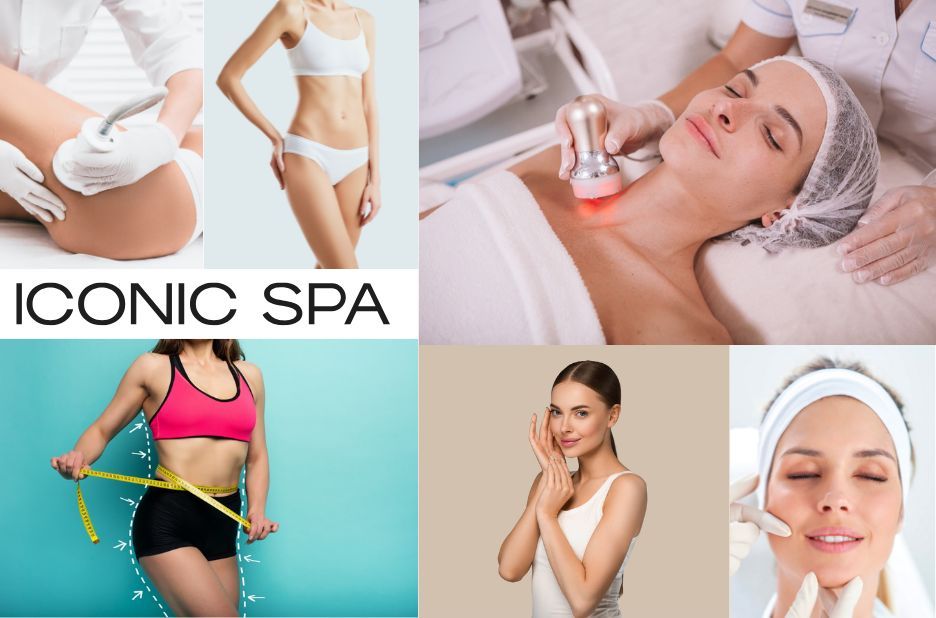
How body shaping services differ
In practice, service design varies a lot, from how the consultation is handled to what body sculpting device types are used and how treatment plans are structured. Some studios focus on targeted sessions for specific zones, while others blend multiple modalities to address skin texture, firmness, and contour at the same time.
To compare services responsibly, start by checking what the provider actually measures during the assessment. A helpful evaluation may include body photos, circumferential measurements, and an understanding of your lifestyle habits that influence results. You should also ask whether the studio tailors the plan to your goals, such as muscle definition, smoother skin appearance, or slimmer-looking contours. The more individualized the approach, the less likely you are to end up with a generic plan that doesn’t match your anatomy.
Technology options and what each is best at
Non-surgical body contouring treatment plans can include different technology categories, and each tends to excel at specific concerns. For example, some devices are designed to support fat reduction through controlled energy delivery, while others emphasize skin tightening body contouring treatment and improved texture. Even when two providers both advertise similar outcomes, the underlying method can influence how you feel during treatment and how your body responds over a series of sessions.
A strong comparison includes asking about the experience itself: how the device is applied, what sensation to expect, and how comfort is managed. You can also inquire about the treatment cadence and why certain intervals are recommended, since results often build gradually as your body responds. Finally, ask what the provider does when a client’s progress plateaus, such as adjusting zone targeting, refining intensity, or incorporating supportive skincare and aftercare guidance.
Plan structure, safety, and realistic expectations
Another major difference between studios is how they structure the full plan, not just the equipment. Look for clarity around session numbers, target areas, and how outcomes are tracked between appointments. A reputable provider will explain what changes are expected for firmness, contour definition, and overall appearance, and will discuss the difference between immediate visual effects and longer-term improvements. This is especially important if you want a plan that supports a defined look rather than only temporary smoothing.
Safety and screening also separate high-quality services from less reliable ones. You should be asked about medical history, current medications, and any contraindications related to your skin and body. A careful provider will set boundaries for who should avoid certain modalities and will recommend alternatives if needed. Additionally, confirm the studio’s hygiene standards and device maintenance practices, since consistent protocols help reduce irritation and improve reliability across sessions.
Conclusion
Choosing among body shaping services becomes much easier when you compare the consultation process, the technology used, and the way progress is monitored. Rather than relying on a single promise, evaluate how each provider builds a plan around your goals, your comfort, and your safety needs. When you prioritize individualized treatment details, you increase the odds of achieving the look you want through consistent sessions and thoughtful adjustments. For clients exploring advanced, non-surgical options, Iconic Spa is positioned to support body contouring, skin firmness, and appearance goals with modern technology designed for measurable progress. If you’re comparing providers, use a checklist that includes assessment quality, device type, session structure, and aftercare guidance. With that approach, you can select a service that aligns with your definition goals and helps you move forward with confidence at Iconic Spa.