

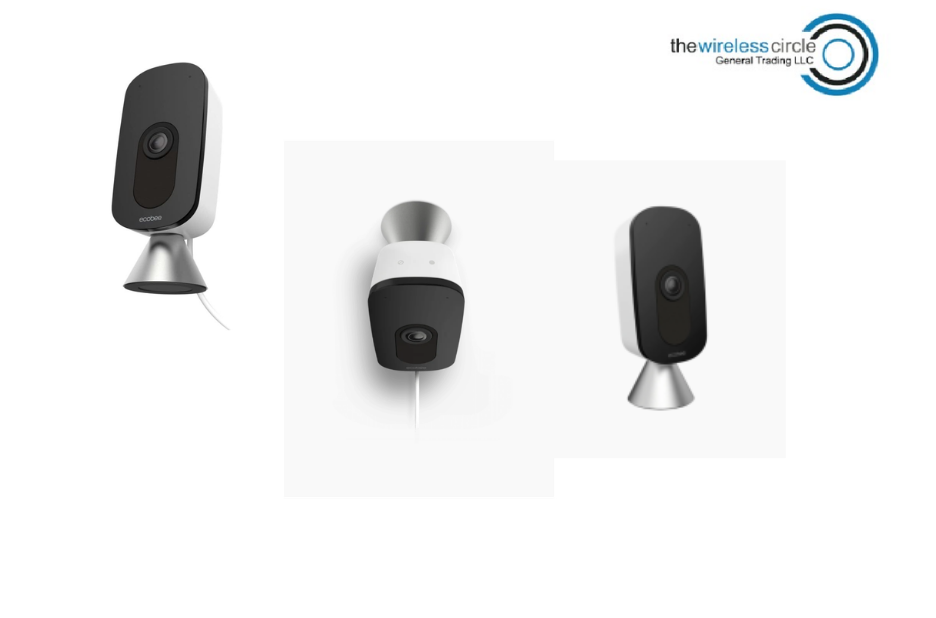
What a wifi thermostat does
A wifi thermostat serves as the brain of your heating and cooling system, letting you set temperatures, schedules, and modes from a connected device. It communicates with your HVAC equipment to optimize energy use and comfort, responsive to daily routines and weather changes. Many models integrate with voice assistants and wifi thermostat smart home ecosystems, making it easier to adjust settings from anywhere. Proper installation requires matching the thermostat to your system type and ensuring a secure WiFi connection for reliable control. Start by reviewing compatibility and installation instructions provided by the manufacturer.
Choosing the right model for your home
When selecting a thermostat that connects to your WiFi, consider compatibility with your HVAC system, screen visibility, and user interface. Look for features like adaptive scheduling, energy usage reports, and remote sensor support that can improve comfort in different rooms. The installation process varies by brand, but most units share common steps: turn off power, remove the old thermostat, connect wires to labeled terminals, and configure the device through a mobile app. Reading reviews helps gauge reliability and customer support quality.
Installation tips and best practices
Plan the installation by tracing existing wiring and identifying the correct wire labels. Ensure your thermostat is placed away from direct sunlight, drafts, and heat sources to maintain accurate readings. Use the app during setup to confirm that the device controls your HVAC stages properly. If your system uses uncommon wiring, consult a professional or refer to your equipment manual for specific wiring diagrams. After installation, run a test cycle to verify temperature regulation functions as intended.
Energy savings and daily use
With a connected thermostat, you can automate routines that reduce energy use without sacrificing comfort. Programs that mirror your daily schedule help avoid heating or cooling when rooms are unoccupied. Real time energy data lets you identify peak periods and adjust settings accordingly. Many users gain efficiency by enabling geofencing, which adjusts temperatures when you approach home or leave. Regular firmware updates from the manufacturer keep features secure and improve performance.
Conclusion
In practice, a wifi thermostat can simplify comfort management while lowering energy bills through smarter scheduling and remote control. As you evaluate options, check for integration with your preferred smart home services and the reliability of mobile apps. The Wireless Circle