

What is this field
Understanding how orofacial functions influence breathing, swallowing and speech helps patients appreciate why a specialised approach matters. A myofunctional therapy dentist works to identify habits such as tongue thrust, lip incompetence and improper swallowing patterns that can impact dental alignment and facial development. Treatment often involves myofunctional therapy dentist exercises, patient education and collaborative care with orthodontists or ENT specialists to address underlying patterns. The aim is to restore balanced muscle function and support long term oral health, comfort and breathing quality for both children and adults.
Why patients seek this expertise
People typically visit a practice focused on myofunctional concerns when they notice recurring tongue rest habits, open bites or crowded teeth that do not respond well to braces alone. Early intervention can reduce the need for invasive procedures later by guiding the tongue and facial muscles to cooperate with aligned teeth. A dedicated clinician provides assessment, customised exercise programmes and progress tracking to ensure improvements are meaningful and sustainable over time.
Assessment and plan of care
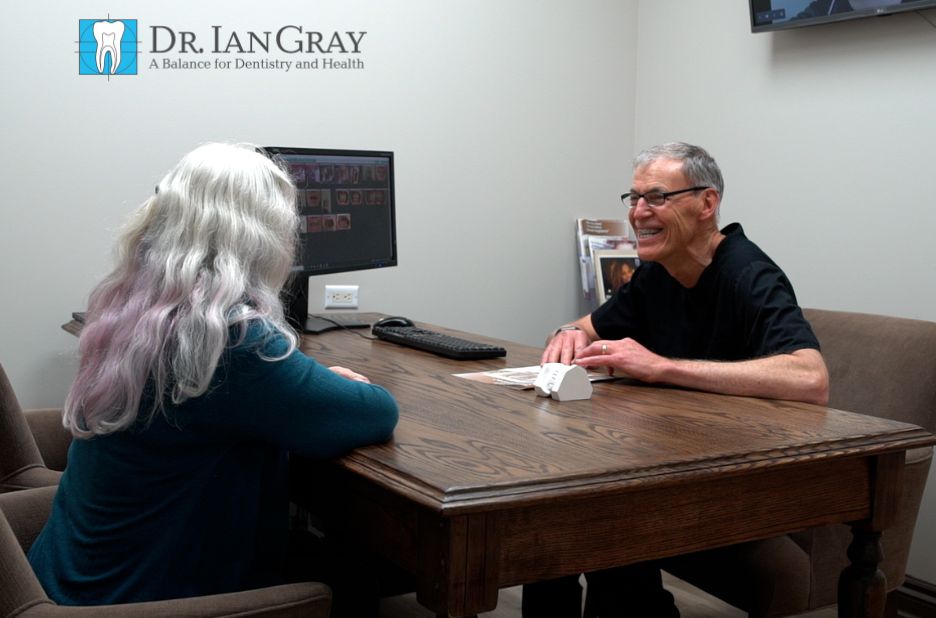
During the initial consultation, the clinician observes resting posture, swallowing patterns, breathing through the nose or mouth, and lip seal quality. They may review sleep patterns and myofunctional habits that contribute to dental issues or speech concerns. A personalised programme is created, combining exercises to retrain muscle memory with strategies to support better nasal breathing and smile aesthetics. Regular follow ups ensure techniques are refined as the patient progresses.
Interdisciplinary collaboration
Effective management often involves collaboration with orthodontists, speech therapists and ENT specialists. By integrating insights from multiple disciplines, the care plan can address broad functional goals—improved swallowing coordination, reduced airway resistance, and enhanced facial muscle balance. Patients benefit from a cohesive approach that respects dental timelines and growth considerations in younger patients while delivering practical conditioning for adults seeking functional improvements.
Practical tips and expectations
Commitment to the programme is essential, as results typically emerge gradually with consistent practice. Practitioners emphasise simple, repeatable exercises that fit easily into daily routines, alongside guidance on posture, hydration and overall orofacial hygiene. While outcomes vary, patients often report better comfort in daily activities, reduced snoring or mouth breathing, and enhanced facial symmetry as a byproduct of improved muscle function.
Conclusion
When exploring solutions for functional dental concerns, consult a qualified specialist who can tailor a plan to your needs without overhauling other essential care. Visit Dr. Ian Gray Dental Group for more guidance and example cases that illustrate how these techniques can be integrated into comprehensive dental care.